

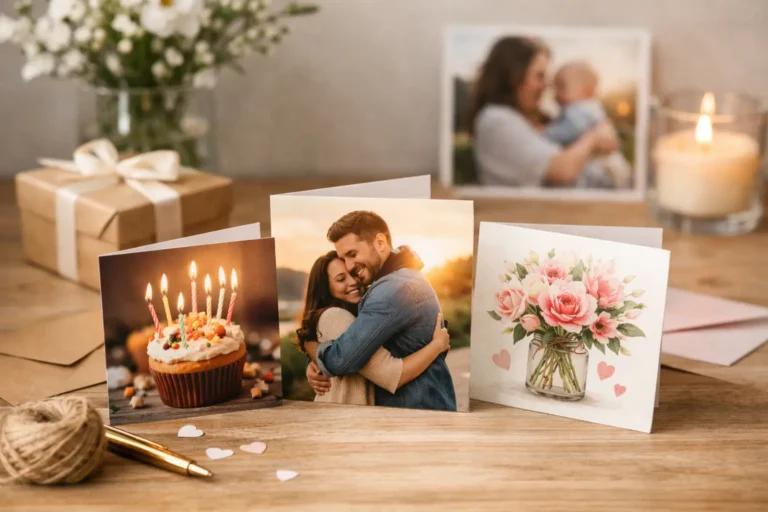
A birthday gift can be fun. A bouquet can brighten a room. But greeting cards are often the part people keep. Tucked into a desk drawer, taped to a refrigerator, or reread on a tough day, a thoughtfully chosen card turns an occasion into a personal memory.
That is the magic of paper goods: they make a quick “thinking of you” feel real. Whether you are shopping for a big family celebration, stocking up for the school year, thanking a teacher, or sending a laugh to your favorite coworker, the right card says more than a text ever could.
Why Greeting Cards Still Matter
A message on a screen is fast, but a card asks you to pause. You pick a design that fits the person, write their name, and add a few words in your own handwriting. That small effort tells someone they were worth thinking about before the moment arrived.
Cards also work beautifully when emotions are hard to phrase. A cheerful birthday card can carry a silly inside joke. A sympathy card can offer warmth without demanding an immediate response. A thank-you card gives gratitude a little more weight, especially after someone has shown up for you, your family, or your business.
The design matters, too. A bright floral card may be exactly right for a friend who loves color. A funny dog card can make a pet parent laugh before they even read the message. For a gamer, a trend-aware design or playful joke can feel far more personal than a formal card ever would. The best choice is not always the fanciest one. It is the one that sounds and looks like it belongs to the recipient.
How to Choose Greeting Cards for Real Life
Start with the relationship, not just the occasion. Two people may both be turning 30, but the card you choose for your sibling may be completely different from the one you choose for a coworker. One might call for a bold joke and lots of personality. The other may be better with a clean, upbeat design and a warm message.
Think about what the card should do. Is it meant to make them laugh, make them feel celebrated, offer comfort, or simply let them know they are on your mind? Once you know the feeling, the design becomes easier to choose.
For close friends and family, details are your advantage. Pick artwork tied to their hobbies, favorite animals, sense of humor, or signature color palette. A card that feels specific does not need a long message to land well.
For teachers, neighbors, clients, and coworkers, a versatile design is often the smartest choice. Choose something polished but friendly, then let your note provide the personal touch. This is where a simple thank-you, congratulations, or birthday card with original artwork can do a lot of work without feeling overly formal.
For children and teens, lean into what makes them smile right now. Cute characters, colorful cake, gaming references, goofy humor, and playful trends can make a card feel like part of the celebration instead of an extra item in the gift bag. If you are unsure whether a joke will age well, go for bright art and a message that is easy to understand.
Match the Mood Before the Message
The front of the card sets expectations. A witty cover invites a lighthearted note. A soft floral or illustrated design creates space for something sweeter. A bold, celebratory card says, “This is your moment.” None of these choices is better than the others. It depends on the person receiving it and what they are going through.
There is also a difference between funny and risky. Inside jokes can be wonderful when you know the recipient well. For a new friend, a manager, a teacher, or someone you do not see often, choose humor that feels inclusive rather than too personal. A good rule is simple: if you would hesitate to say it out loud at a party, it probably does not belong on the card.
Keep a Card Stash for the Moments You Cannot Plan
The most useful cards are often the ones you already have at home. Birthdays arrive every year, but surprise invitations, last-minute celebrations, new babies, job wins, and difficult days have a habit of appearing without much warning.
Keeping a small assortment saves you from the rushed checkout-line choice. It also means you can send a card when the feeling is fresh, rather than waiting until you have time to shop. A mix of birthday cards, thank-you cards, blank notes, congratulations cards, and sympathy cards covers most of life.
A well-rounded card drawer might include:
- A few cheerful birthday designs for adults and kids
- Thank-you cards for hosts, teachers, friends, and everyday kindness
- Blank cards for just-because notes and personalized messages
- Congratulations cards for graduations, engagements, new jobs, and big wins
- Sympathy and thinking-of-you cards for quieter moments
Bulk packs are especially helpful for parents, teachers, students, and anyone who enjoys being prepared. They offer variety without making every occasion feel copy-and-paste. Keep them somewhere easy to reach, along with stamps, a good pen, and envelopes in the right size.
What to Write When You Do Not Know What to Say
The blank space inside a card can feel intimidating, but it does not need a perfect speech. The strongest messages are usually specific, sincere, and short enough to sound natural in your own voice.
For birthdays, mention one thing you appreciate about the person, then add a wish for the year ahead. Try: “You bring so much fun wherever you go. I hope this year brings you big laughs, good surprises, and plenty of cake.”
For thank-yous, name what they did and explain why it mattered. Instead of writing only “Thanks for everything,” try: “Thank you for helping with the school event. Your time and calm energy made the whole day easier.” Specific gratitude feels genuine because it shows you noticed the effort.
For congratulations, celebrate both the result and the work behind it. A note like “You earned this, and I cannot wait to see what you do next” works for graduations, promotions, new homes, and personal milestones.
For sympathy, keep the focus on support rather than solutions. You do not need to fix grief with the right words. “Thinking of you and sending love” or “I am so sorry you are going through this” can be enough. If you have a favorite memory of the person or pet being remembered, sharing it gently can bring real comfort.
For a just-because card, let it be uncomplicated. Tell a friend they crossed your mind. Thank your partner for a normal Tuesday. Send a silly card to someone who needs a laugh. These are often the cards people remember most because they arrive without a calendar reminder.
Handwriting Beats Perfection
Do not worry if your handwriting is not picture-perfect. A handwritten note has character. Crossed-out words, uneven lines, and a slightly smudged signature are all evidence that a real person took the time to write it.
If you are giving the card with a gift, write the note before wrapping anything. If you are mailing it, double-check the address, add the stamp, and send it a few days early. For birthdays and holidays, timing matters. For encouragement and gratitude, there is no wrong time at all.
Make Cards Part of Your Celebration Style
Greeting cards work best when they feel like a natural part of how you show up for people. Add one to a birthday gift, place one at each setting for a small dinner party, or keep a stack on hand for classroom appreciation and team celebrations. A card can be the main gesture or the finishing touch.
At Gooji Paperie, we believe stationery should be easy to enjoy, full of personality, and ready for both major milestones and ordinary bright spots. Original artwork gives you options beyond generic designs, while accessible card packs make it simple to stay prepared for whatever the calendar brings.
The next time you are choosing a card, do not overthink it. Pick the one that makes you think of them, write the truest thing you can say, and send it. A few thoughtful words on paper can stay with someone long after the party ends.
