

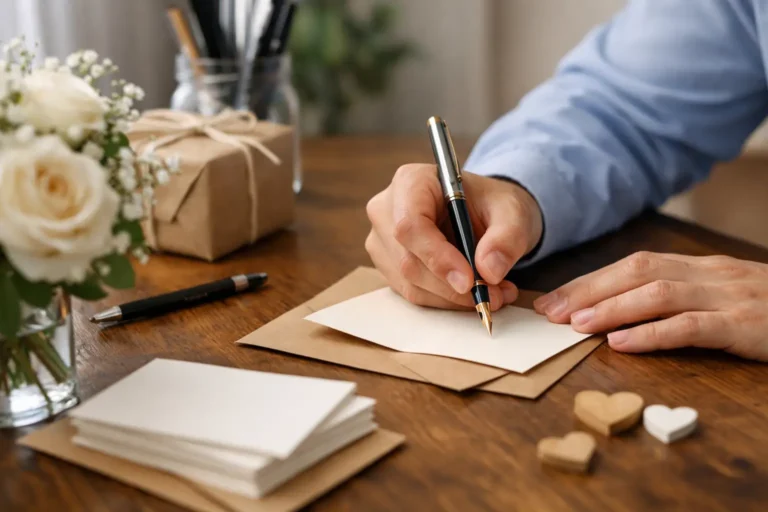
A thank you card does not need perfect handwriting, poetic language, or a long message to make someone feel appreciated. When you are figuring out how to write thank you cards, the goal is simple: help the person know that what they gave, did, or said mattered to you. A colorful card and a few sincere lines can turn a small moment of gratitude into a keepsake.
The best thank you notes sound like you. They can be sweet, funny, polished, casual, or somewhere in between. What matters most is being specific enough that your recipient knows the message was written for them, not copied from a generic script.
Start With One Clear Reason for Thanks
Before you write, name the exact thing you are thankful for. Maybe it was a birthday gift, a thoughtful meal after a hard week, help with a project, a baby shower present, or simply a friend checking in at the right time.
Specificity is the secret ingredient. “Thank you for the gift” is kind, but “Thank you for the cozy blue blanket – it is already living on my couch for movie nights” creates a much warmer picture. It tells the giver that you noticed their choice and can imagine enjoying it.
If someone gave money or a gift card, you do not have to say the amount. Instead, share what it will help with or how you plan to use it. For example: “Thank you for the generous graduation gift. I’m putting it toward my new apartment, and it means so much as I get settled.”
How to Write Thank You Cards in Four Parts
A thoughtful note can be as short as three or four sentences. Use this easy flow when the blank card suddenly feels intimidating:
- Greet the person warmly. Use the name you naturally call them, such as “Dear Aunt Maya,” “Hi Jordan,” or “Ms. Carter.”
- Say thank you right away. Be clear about the gift, favor, invitation, or support you received.
- Add one personal detail. Mention why you liked it, how you will use it, or how their kindness made you feel.
- Close with connection. Wish them well, mention seeing them soon, or simply sign off with love, gratitude, or your name.
Here is what that looks like in real life:
“Dear Priya, thank you so much for the beautiful cookbook and for coming to celebrate with me. I can’t wait to try the pasta recipe you marked for me. It was so lovely having you there. Love, Sam”
That is enough. You do not need to fill every inch of the card. In fact, a short message that feels genuine is better than a long one that starts sounding stiff.
Match the Message to the Moment
Different occasions call for slightly different wording. The basic structure stays the same, but your level of formality can change.
For a gift
Mention the item and the thought behind it. If it fits, say how you will use or enjoy it.
“Thank you for the adorable plant pot. It is exactly my style, and my windowsill is officially much happier.”
For a child’s gift, a parent can help write the note, but including the child’s own words or signature makes it extra special. A simple “I love my dinosaur puzzle!” has plenty of charm.
For a wedding, shower, or major celebration
Thank guests for showing up as well as for their gift. Their presence may have made the day feel more joyful, calm, or memorable.
“Thank you for celebrating our wedding with us and for the gorgeous serving bowl. We felt so loved having you in the room, and we can’t wait to use it for future dinners with friends.”
For weddings, it is thoughtful to send cards promptly, but do not let timing anxiety stop you from sending them at all. Late thanks are still better than no thanks. Keep the tone warm rather than apologizing for half the card.
For help, kindness, or support
This is where a handwritten note can mean the most. Call out what the person did and the impact it had.
“Thank you for dropping off dinner when things were hectic. Not having to think about cooking that night was such a relief, and your kindness meant more than I can say.”
A message like this is especially meaningful for teachers, neighbors, caregivers, coworkers, and friends who showed up without being asked twice.
For work or professional settings
Keep the message friendly and direct. You can be warm without getting overly personal, especially when writing to a manager, client, interviewer, or colleague.
“Thank you for taking the time to meet with me yesterday. I appreciated your advice on the role and enjoyed learning more about the team.”
A professional thank you card works best when it is sent soon after the interaction. If the situation is very formal, choose a clean, simple design. For a teammate you know well, a cheerful card with a little personality can be a bright desk-day surprise.
Make It Personal Without Overthinking It
Many people get stuck because they think every card must be completely original. It does not. Your card only needs one detail that belongs to the relationship or occasion.
Think about a shared memory, an inside joke, a favorite color, a future plan, or the exact way their kindness helped. A card for your best friend can be playful: “Thank you for always knowing when I need snacks, a pep talk, or both.” A card for a relative might be more sentimental: “Your thoughtfulness always makes me feel so cared for.”
Choosing a card design can do some of the emotional work, too. A floral card can set a tender tone, a cute dog or cat can make a pet lover smile, and a bold, funny design can be perfect for the friend who would rather laugh than cry. Let the artwork feel like part of the gift, then keep your words honest.
What to Avoid in a Thank You Note
You do not need to police every sentence, but a few common habits can make a note feel less personal. Try not to make the message all about the object when the giver’s effort deserves recognition, and avoid vague wording when you can add a real detail.
Also, do not turn the card into a favor request or a long life update. A quick mention of what is next is lovely, such as “I’ll send you a photo once the nursery is finished.” But gratitude should remain the center of the message.
If you are writing a stack of cards after a party or holiday, do not copy the same wording word for word. Repeating the basic structure is fine. Just change the detail, memory, or closing so each person receives something that feels meant for them.
Timing, Handwriting, and the Little Details
Aim to send a thank you card within a week or two when possible. For birthdays, showers, weddings, and holidays, that window can stretch when life gets busy. Again, the card does not lose its value because it arrives later than planned.
Use a pen that will not smudge, write clearly, and double-check names before sealing the envelope. If your handwriting is not your favorite thing, slow down rather than trying to make it fancy. Neat and readable always wins.
For a group gift, thank everyone who contributed if you know their names. For a host gift or shared experience, thank the host for the care behind the moment: the meal, the planning, the welcome, or the fun. Those details show that you noticed the effort people often make quietly.
When You Don’t Know What to Say
Start with this fill-in-the-blank and make it your own:
“Thank you so much for [gift, help, or gesture]. It was so thoughtful of you, and I especially loved [specific detail]. [How you will use it or how it made you feel]. Looking forward to [future connection].”
For example: “Thank you so much for helping me move last weekend. It was so thoughtful of you to give up your Saturday, and I especially appreciated your expert box-stacking skills. You made a stressful day much easier. Pizza is on me next time!”
A thank you card is a small piece of paper with a big job: it tells someone their generosity landed. Pick a card that makes you smile, write the first true thing that comes to mind, and send that little bit of warmth into someone’s day.
