

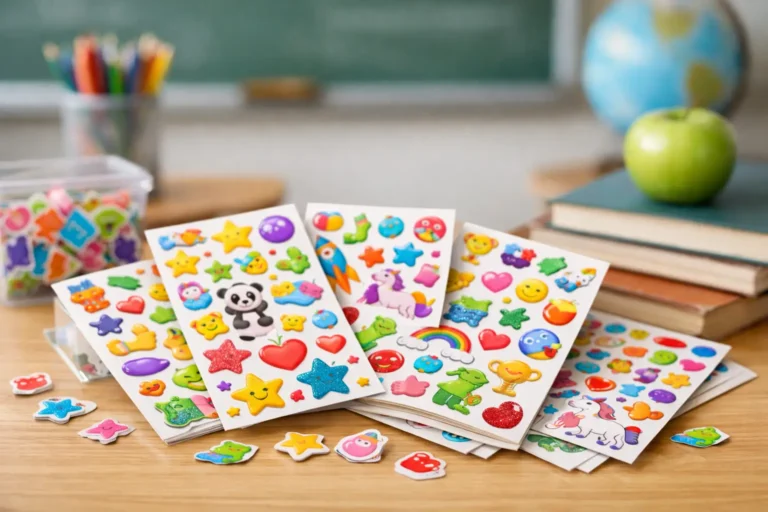
A sticker placed on a reading log, homework chart, or well-earned piece of work can turn a small classroom win into a moment a child wants to tell someone about. The best classroom reward sticker packs are not about giving prizes for every task. They are a bright, simple way to notice effort, kindness, curiosity, and progress while adding a little personality to the school day.
For teachers, parents, and room parents stocking up before a new term, the goal is usually the same: choose stickers that feel fun, last through busy weeks, and work for more than one kind of learner. A cheerful pack with a good variety can support routines without turning your supply cabinet into a complicated reward station.
What Makes Classroom Reward Sticker Packs Work?
A useful reward sticker pack gives you options. One child may light up at a smiling animal, another may prefer a colorful star, and an older student may be more interested in a funny phrase or a cool design. Variety helps the reward feel personal without requiring a separate system for every student.
Look for clear, colorful artwork that children can recognize at a glance. Cute characters, encouraging words, food faces, sports themes, outer-space designs, dinosaurs, rainbows, and classic stars all have a place in the classroom. The right choice depends on the age group and the personality of your class. Preschool and early elementary students often enjoy bold, friendly images, while upper elementary students may respond better to humorous designs, achievement messages, or trend-aware art that does not feel too young.
Quantity matters, too. A pack can look generous until you do the classroom math. If you teach 25 students and hand out one sticker each Friday, 100 stickers disappear in a month. Larger assortments are often a smart choice for daily use, especially when you want to offer a few designs rather than repeat the same image all week.
Choose Stickers for the Routine, Not Just the Theme
It is tempting to pick the cutest pack and call it done. But a little planning makes your stickers go much further. Start with the moments you genuinely want to reinforce. Maybe it is completing independent work, helping a classmate, taking a brave turn at reading aloud, or remembering classroom materials.
When stickers connect to specific behavior, students understand what they are being recognized for. Instead of silently placing a sticker on a worksheet, try a quick sentence: “You kept trying even when that math problem was tricky.” The sticker is the cheerful finishing touch, but the words give it meaning.
A few simple uses can keep a pack in regular rotation:
- Add one to completed reading charts, spelling folders, or math fact trackers.
- Use them as a quick kindness notice for sharing, listening, or encouraging a classmate.
- Save special designs for milestone moments, such as finishing a chapter book or reaching a personal goal.
- Include them in take-home notes so families get to see a small success from the day.
This approach also keeps rewards from becoming automatic. If every correct answer receives a sticker, students may start expecting one for work they already feel confident doing. If stickers recognize effort, growth, and positive choices, they stay meaningful.
Make Recognition Feel Fair
Fair does not always mean identical. A student working hard to sit through a lesson may deserve just as much recognition as the student who finishes an assignment early. Classroom rewards work best when they reflect individual progress and choices, not only speed, grades, or being naturally outgoing.
Consider using stickers privately for students who do not enjoy public attention. A discreet sticker on a notebook or a note sent home can feel encouraging without putting anyone on the spot. For whole-class goals, choose a shared display where every student can contribute, such as a jar that fills with sticker-backed tokens or a class poster decorated after cooperative milestones.
It also helps to make the system predictable. Students do not need to know every possible reason they could earn a sticker, but they should know that effort and respectful behavior are noticed. Clear expectations reduce the chance that rewards feel random or competitive.
Build a Sticker Collection With Staying Power
A single theme can be adorable, especially for a seasonal party or a unit study. But for everyday use, an assorted collection usually earns its place in the supply drawer. It gives teachers and parents more ways to match the moment.
Start with a mix of general encouragement designs and fun character stickers. General stickers, such as stars, smiley faces, “Great Job” messages, and colorful badges, fit almost any activity. Character designs add the surprise factor. A silly dog, a friendly monster, a taco with a face, or a bright rainbow can make a routine task feel less routine.
Seasonal packs are best used as an extra layer rather than your entire supply. Fall leaves, winter animals, hearts, spring flowers, and end-of-school designs can add excitement to a classroom calendar. They are especially useful for party bags, holiday cards, behavior charts, and themed learning centers. Just make sure your core collection includes designs that work all year.
For a more inclusive classroom, avoid relying on one interest or color palette. Not every child loves princesses, trucks, or sports, and no student should have to choose from a sticker that feels like it was selected for someone else. Broad themes, mixed colors, and a variety of characters let more kids find something that feels like theirs.
Think Beyond the Sticker Chart
Sticker charts are classic for a reason, but they are not the only way to use classroom reward sticker packs. Stickers can travel home on graded work, decorate bookmarks, mark a library challenge, or turn a plain note into a tiny celebration. They also work beautifully in student-made journals, goal sheets, and end-of-week reflection pages.
For younger children, a sticker can be an immediate visual cue that says, “You did it.” For older students, try using stickers as a choice-based reward. After meeting a goal, students can select one design for their planner, laptop folder, or take-home envelope. The choice adds a sense of ownership without adding much time to your day.
Parents can use the same idea at home for morning routines, practice sessions, chores, and homework habits. The most successful systems stay light. A sticker should feel like encouragement, not another thing for adults to track perfectly.
Keep Classroom Sticker Rewards Fresh
Even the most exciting stickers can lose their sparkle if students see the same ones every day. You do not need a massive collection to prevent that. Simply rotate packs by month, subject, or classroom goal. Keep a few favorite designs visible and save others for surprise moments.
You can also create small categories. Use stars for academic persistence, animal stickers for kindness, and funny designs for participation or brave attempts. Students soon learn that each kind of sticker celebrates a different kind of win. That is more memorable than handing out whatever is nearest.
Storage makes a difference on hectic mornings. A small divided organizer, labeled envelope set, or clear box helps you see what you have before ordering more. Keep a handful of sheets near your teaching area for quick use, then store the rest away from little hands until you need them.
A Small Reward Can Carry a Big Message
The real magic of a classroom sticker is not the adhesive or the shiny finish. It is the moment of being seen. Whether you are filling a teacher supply cart, assembling a first-day welcome table, or helping your child feel proud of a new routine, choose designs that bring a smile before they even leave the sheet.
Gooji Paperie believes everyday paper goods can make ordinary moments feel more personal, and classroom stickers are a lovely example. Pick a cheerful variety, use it with intention, and let each small reward remind kids that their effort is worth noticing.
